
Haga clic aquí para la traducción al español (Google Translate) Introduction In Computer-Assisted Language Learning (CALL), curriculum design decisions increasingly occur in technology-saturated environments where platforms, tools, & analytics promise efficiency & innovation. Instructional designers are persistently bombarded with demands by pundits & the EdTech industry to adopt the latest buzzword technology or risk becoming… Continue reading Backward design vs. technology-first adoption, or why EdTech will not save you
Category: Meaning
Why traditional EFL coursebooks fail to develop communicative & linguistic competence

Haga clic aquí para la traducción al español (Google Translate) Introduction Despite decades of development & innovation in language pedagogy, most commercial EFL coursebooks continue to present English through a linear, grammar-based syllabus organised around discrete structures introduced in a fixed sequence. This article argues that such materials are fundamentally misaligned with the actual nature… Continue reading Why traditional EFL coursebooks fail to develop communicative & linguistic competence
Rethinking grammar instruction: Why usage-based, Construction Grammar-informed language learning outperforms skill-acquisition approaches

Haga clic aquí para la traducción al español (Google Translate) Introduction For decades, second & foreign language pedagogy has been dominated by skill-acquisition theory, which views learning as the gradual automation of explicit knowledge through repeated practice (Anderson, 1982; DeKeyser, 2006). According to this model, students first acquire declarative knowledge, “knowing that,” about grammatical rules… Continue reading Rethinking grammar instruction: Why usage-based, Construction Grammar-informed language learning outperforms skill-acquisition approaches
Rethinking error correction: More effective pathways for grammatical development

Haga clic aquí para la traducción al español (Google Translate) Introduction The role of error correction in second language (L2) instruction has long divided scholars & practitioners. On one side, researchers such as Dana Ferris (1995, 1997, 1999, 2012; Ferris & Roberts, 2001) contend that selective & focused corrective feedback can promote accuracy & aid… Continue reading Rethinking error correction: More effective pathways for grammatical development
How Language Students Really Learn: What Construction Grammar (CxG) can teach us

Haga clic aquí para la traducción al español (Google Translate) Introduction As language teachers, we all want our students to become confident, fluent speakers who use language appropriately & effectively. But too often, we watch them struggle to apply the grammar rules we’ve taught, e.g. mixing up tenses, forming awkward sentences, or sticking to the… Continue reading How Language Students Really Learn: What Construction Grammar (CxG) can teach us
Making It Stick: Towards more effective vocabulary practice in language learning

Haga clic aquí para la traducción al español (Google Translate) Introduction Vocabulary is foundational to language competence. Yet the ways learners practise & internalise new vocabulary often fall short of the complex demands of actual language use. Traditional techniques such as pre-taught vocabulary, memorisation of decontextualised word lists, or single-sentence definitions neglect the fact that… Continue reading Making It Stick: Towards more effective vocabulary practice in language learning
Reconciling task-based & genre-based approaches in language teaching

Haga clic aquí para la traducción al español (Google Translate) Introduction Much of the pedagogical discourse in English language teaching has positioned Task-Based Language Teaching (TBLT) & Genre-Based Instruction (GBI) as separate, distinct, & sometimes competing theoretical & instructional views. However, this dichotomy may be misleading. In practice, both approaches address different, yet complementary dimensions… Continue reading Reconciling task-based & genre-based approaches in language teaching
Understanding language as whole texts
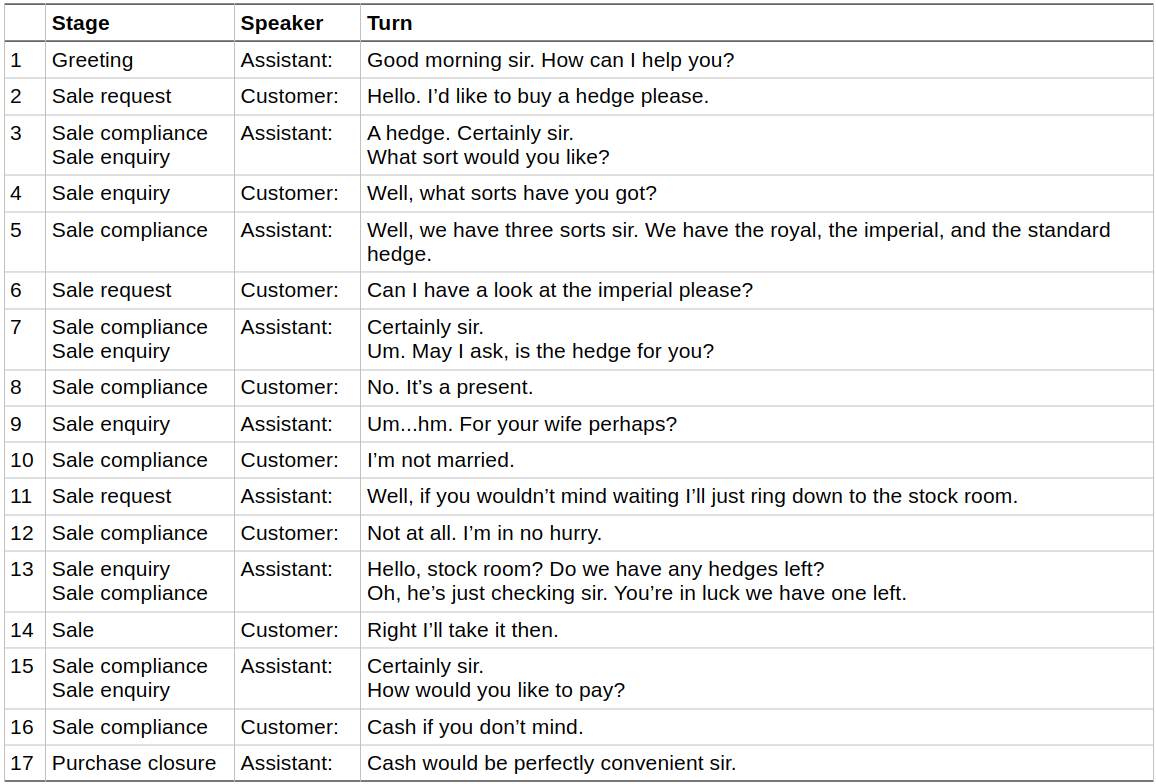
Haga clic aquí para la traducción al español (Google Translate) Introduction Language is more than just words & grammar, it is shaped by context, purpose, & social function & the way we use language depends on what we want to achieve. Every conversation, written text, or spoken exchange follows patterns that help us communicate effectively.… Continue reading Understanding language as whole texts
We need to talk about vocabulary instruction

Haga clic aquí para la traducción al español (Google Translate) “You shall know a word by the company it keeps.” – J.R. Firth (1957) Introduction J.R. Firth emphasised the importance of context in understanding vocabulary & that words are best learned in meaningful contexts rather than in isolation. Words tend to appear in predictable phrases… Continue reading We need to talk about vocabulary instruction
Transfer appropriate processing in language learning: A fundamental principle
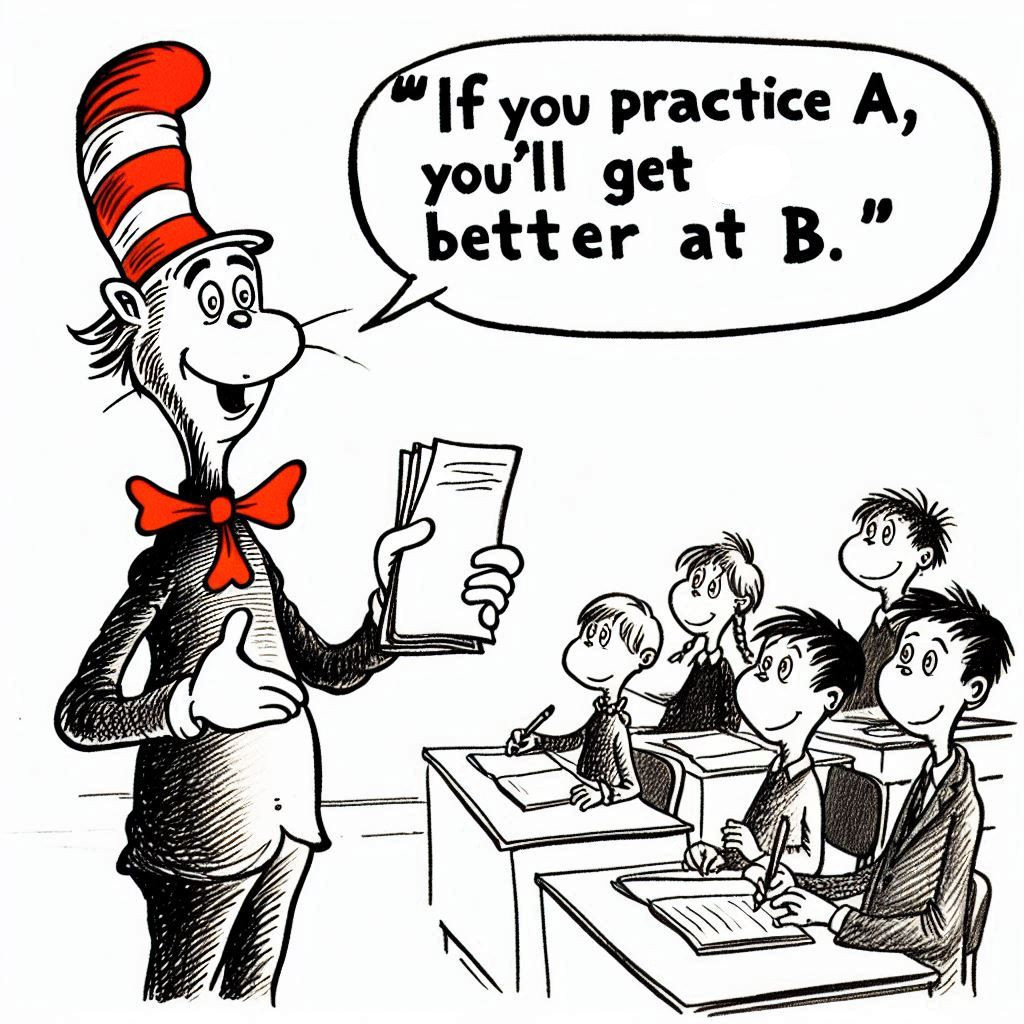
Haga clic aquí para la traducción al español (Google Translate) Introduction Effective language learning means engaging in meaningful tasks that develop the knowledge, skills, & attitudes that are necessary for real-world communication. Transfer appropriate processing (TAP) is a fundamental principle in instructional design that ensures learning activities develop the competencies students need to participate in… Continue reading Transfer appropriate processing in language learning: A fundamental principle