
Haga clic aquí para la traducción al español (Google Translate) Introduction This article is a summary of a scientific position paper (Bauer et al., 2025) that highlights weaknesses in recent studies & outlines principles for conducting research that focuses on real learning outcomes. While enthusiasm around these technologies is understandable, much of the current discourse… Continue reading Position paper: Issues & principles for AI in learning research
The bigger picture: Europe’s data sovereignty & free & open source software

Haga clic aquí para la traducción al español (Google Translate) Introduction As we’ve seen in recent developments on the international stage, software, services, & IT infrastructure are not just tools, they can be used as an instrument of power. Europe’s schools, universities, & other educational & training organisations, where monopolistic proprietary software has become the… Continue reading The bigger picture: Europe’s data sovereignty & free & open source software
Understanding language as whole texts
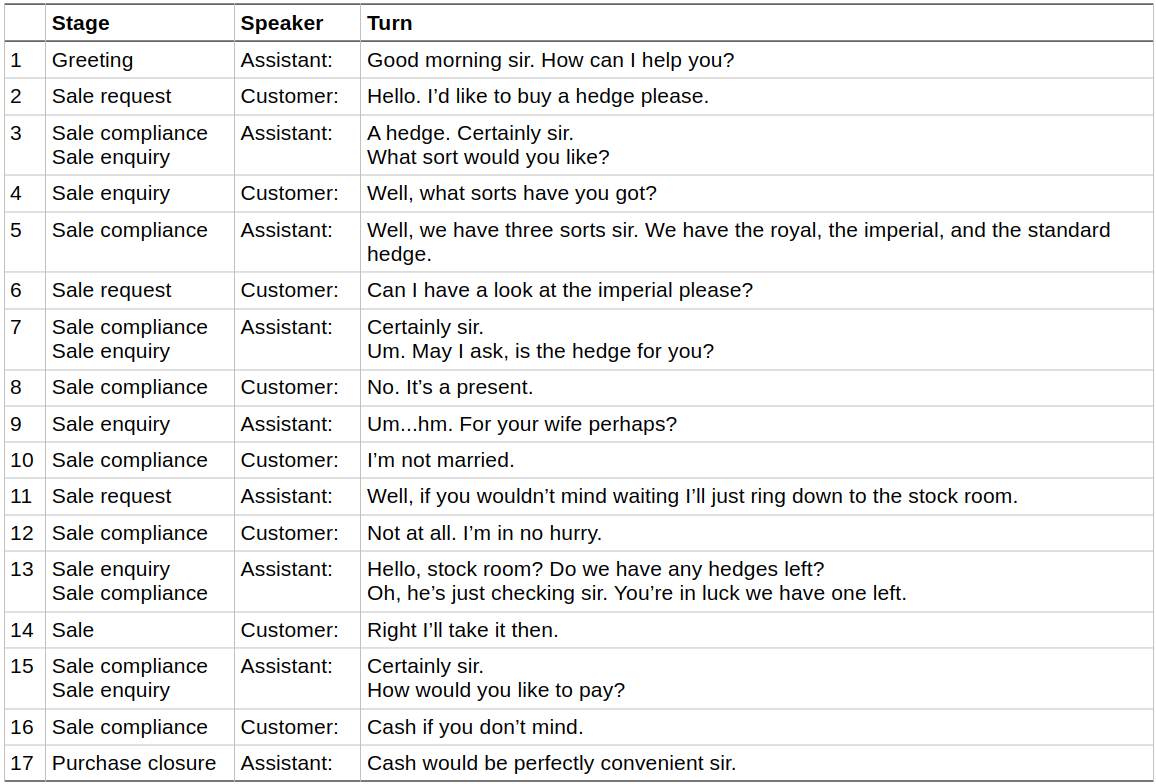
Haga clic aquí para la traducción al español (Google Translate) Introduction Language is more than just words & grammar, it is shaped by context, purpose, & social function & the way we use language depends on what we want to achieve. Every conversation, written text, or spoken exchange follows patterns that help us communicate effectively.… Continue reading Understanding language as whole texts
We need to talk about vocabulary instruction

Haga clic aquí para la traducción al español (Google Translate) “You shall know a word by the company it keeps.” – J.R. Firth (1957) Introduction J.R. Firth emphasised the importance of context in understanding vocabulary & that words are best learned in meaningful contexts rather than in isolation. Words tend to appear in predictable phrases… Continue reading We need to talk about vocabulary instruction
Transfer appropriate processing in language learning: A fundamental principle
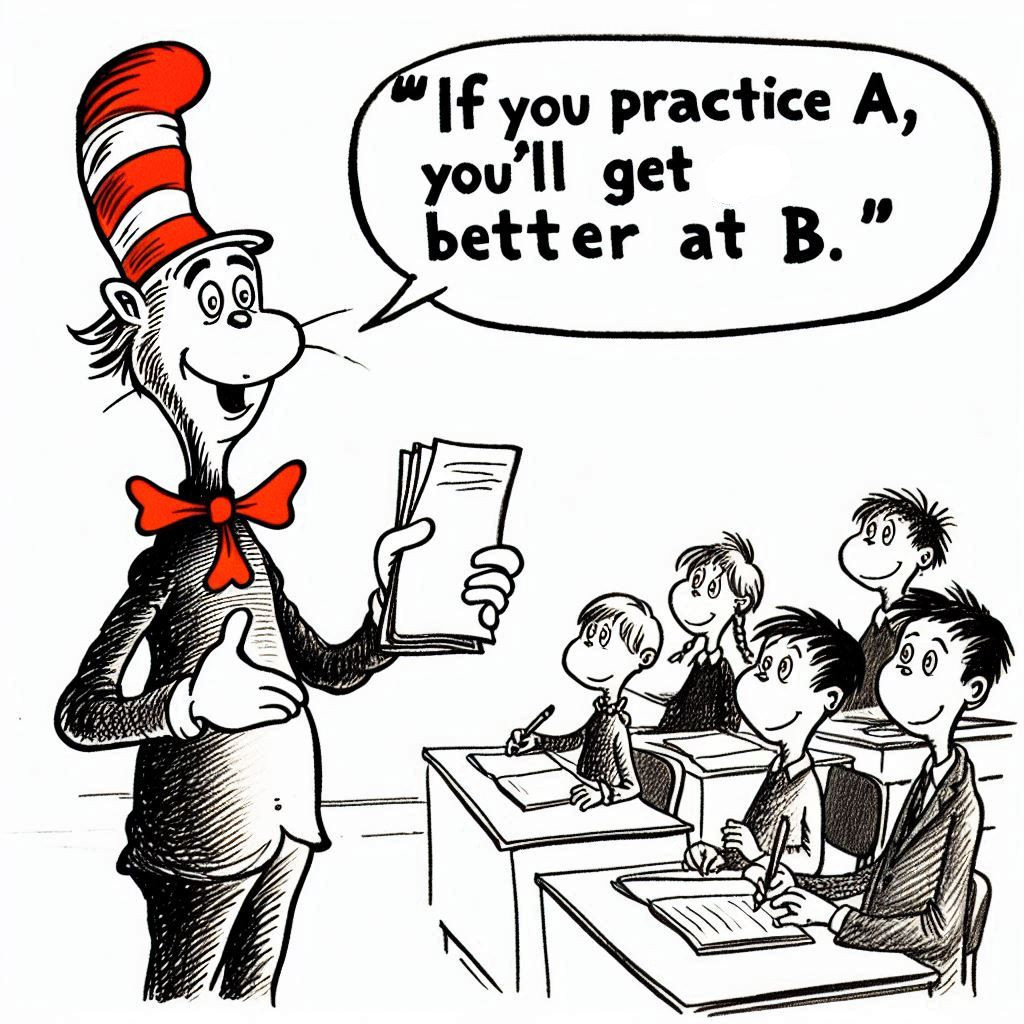
Haga clic aquí para la traducción al español (Google Translate) Introduction Effective language learning means engaging in meaningful tasks that develop the knowledge, skills, & attitudes that are necessary for real-world communication. Transfer appropriate processing (TAP) is a fundamental principle in instructional design that ensures learning activities develop the competencies students need to participate in… Continue reading Transfer appropriate processing in language learning: A fundamental principle
How multitasking inhibits learning

Haga clic aquí para la traducción al español (Google Translate) Introduction In today’s tech, social media, & smartphone dominated world, multitasking is often believed to make us more productive. However, research suggests that this modern-day “skill” may be more harmful than helpful, particularly when it comes to learning. From impaired focus to decreased memory retention,… Continue reading How multitasking inhibits learning
Meaning first: Why connecting form and meaning is essential for language learning

Haga clic aquí para la traducción al español (Google Translate) Introduction Language learning is far more than memorising vocabulary & grammar rules; it is about understanding & using language meaningfully in real-world contexts. For learners, this involves making connections between linguistic forms & their functions in communication. Whether students aim to join discourse communities, handle… Continue reading Meaning first: Why connecting form and meaning is essential for language learning
LLMs and students’ writing: Thinking it through
Haga clic aquí para la traducción al español (Google Translate) I’m just sharing my experiences and thoughts because I think it’s an important consideration for using large language models (LLMs), e.g. Google’s Gemini, OpenAI’s ChatGPT in language learning & teaching. It’s interesting to see people’s attitudes to AI generated content. I experimented with using an… Continue reading LLMs and students’ writing: Thinking it through
It’s Time to Move on from Emergency Remote Teaching

Haga clic aquí para la traducción al español (Google Translate) Since the COVID-19 lock-downs the ELT industry appears to be equating emergency remote teaching (ERT) with online & distance education. This is highly problematic. ERT was a stop-gap measure, the best that teachers could pull together in a very short time with few resources &… Continue reading It’s Time to Move on from Emergency Remote Teaching
Improving the quality of teaching
Who’d have thought it? According to a research review (Kini & Podolsky, 2016), students’ academic performance & attendance correlate with their teachers’ years of teaching experience. The effects are strongest within the first 2-3 years of experience, increase substantially in the following 7-8 years, & continue to increase significantly after that. The effect is particularly… Continue reading Improving the quality of teaching