
Haga clic aquí para la traducción al español (Google Translate) Introduction Much of the pedagogical discourse in English language teaching has positioned Task-Based Language Teaching (TBLT) & Genre-Based Instruction (GBI) as separate, distinct, & sometimes competing theoretical & instructional views. However, this dichotomy may be misleading. In practice, both approaches address different, yet complementary dimensions… Continue reading Reconciling task-based & genre-based approaches in language teaching
Category: Learning
The transformative potential of open educational resources in English language teaching: Benefits for organisations, teachers, & students

Haga clic aquí para la traducción al español (Google Translate) Introduction Imagine a world where every English language teacher has free access to a rich library of teaching materials; textbooks, videos, assessments, & interactive tools; without concerns about cost, copyright, or inflexibility. Imagine students worldwide starting their courses fully equipped with engaging, personalised resources tailored… Continue reading The transformative potential of open educational resources in English language teaching: Benefits for organisations, teachers, & students
Methodology: An introduction to Genre-Based Instruction

Haga clic aquí para la traducción al español (Google Translate) Introduction: Why Genre Matters in the Classroom Imagine walking into a classroom where students are not just writing for grades, but crafting texts that mirror the real world; explaining scientific phenomena, arguing social issues, narrating personal experiences, or reporting historical events with confidence & clarity.… Continue reading Methodology: An introduction to Genre-Based Instruction
Arguments for ELT publishing reform

Haga clic aquí para la traducción al español (Google Translate) Introduction The English Language Teaching (ELT) publishing industry suffers from significant systemic & structural issues that have raised concerns among educators, institutions, & curriculum developers. While publishers continue to produce materials used by millions of learners worldwide, there is increasing evidence that current practices in… Continue reading Arguments for ELT publishing reform
Understanding language as whole texts
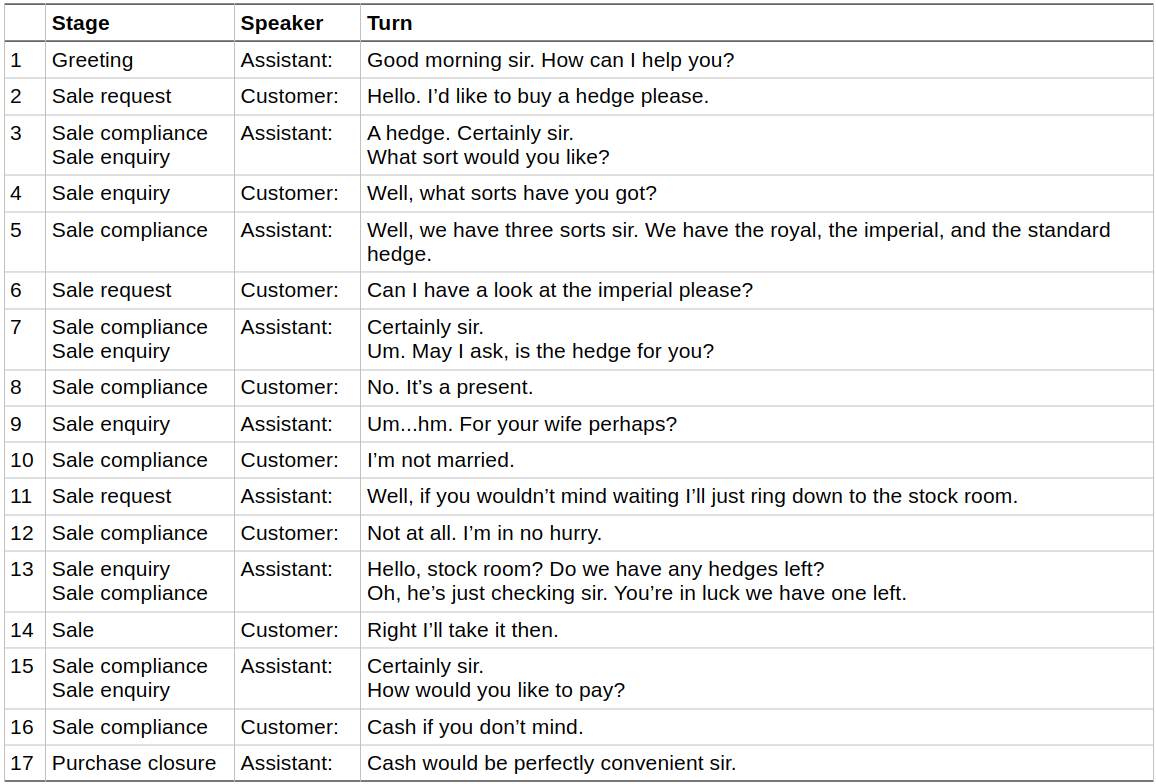
Haga clic aquí para la traducción al español (Google Translate) Introduction Language is more than just words & grammar, it is shaped by context, purpose, & social function & the way we use language depends on what we want to achieve. Every conversation, written text, or spoken exchange follows patterns that help us communicate effectively.… Continue reading Understanding language as whole texts
We need to talk about vocabulary instruction

Haga clic aquí para la traducción al español (Google Translate) “You shall know a word by the company it keeps.” – J.R. Firth (1957) Introduction J.R. Firth emphasised the importance of context in understanding vocabulary & that words are best learned in meaningful contexts rather than in isolation. Words tend to appear in predictable phrases… Continue reading We need to talk about vocabulary instruction
Transfer appropriate processing in language learning: A fundamental principle
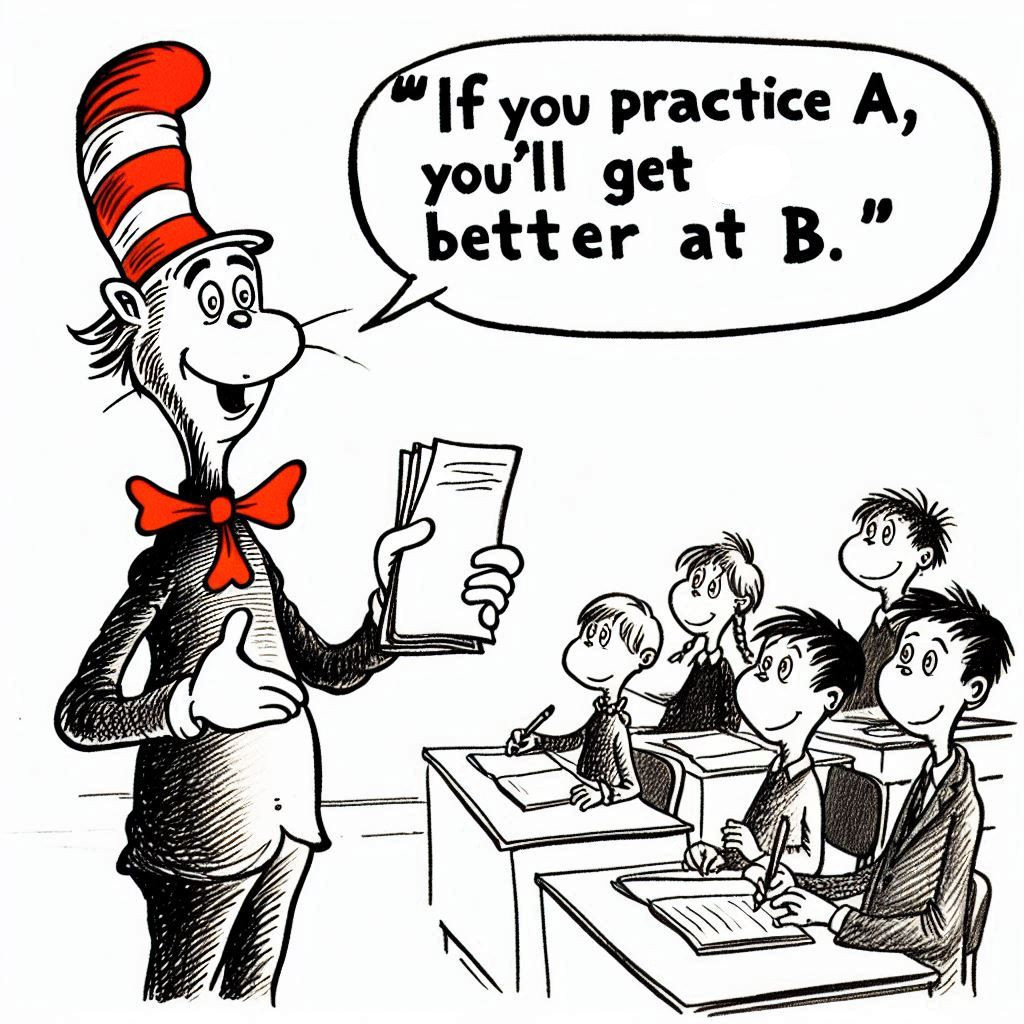
Haga clic aquí para la traducción al español (Google Translate) Introduction Effective language learning means engaging in meaningful tasks that develop the knowledge, skills, & attitudes that are necessary for real-world communication. Transfer appropriate processing (TAP) is a fundamental principle in instructional design that ensures learning activities develop the competencies students need to participate in… Continue reading Transfer appropriate processing in language learning: A fundamental principle
How multitasking inhibits learning

Haga clic aquí para la traducción al español (Google Translate) Introduction In today’s tech, social media, & smartphone dominated world, multitasking is often believed to make us more productive. However, research suggests that this modern-day “skill” may be more harmful than helpful, particularly when it comes to learning. From impaired focus to decreased memory retention,… Continue reading How multitasking inhibits learning
It’s Time to Move on from Emergency Remote Teaching

Haga clic aquí para la traducción al español (Google Translate) Since the COVID-19 lock-downs the ELT industry appears to be equating emergency remote teaching (ERT) with online & distance education. This is highly problematic. ERT was a stop-gap measure, the best that teachers could pull together in a very short time with few resources &… Continue reading It’s Time to Move on from Emergency Remote Teaching
Improving the quality of teaching
Who’d have thought it? According to a research review (Kini & Podolsky, 2016), students’ academic performance & attendance correlate with their teachers’ years of teaching experience. The effects are strongest within the first 2-3 years of experience, increase substantially in the following 7-8 years, & continue to increase significantly after that. The effect is particularly… Continue reading Improving the quality of teaching